Technology

Fotona Laser

Laser supported irrigation designed to improve cleaning and disinfection in complex root canal systems while supporting a minimally invasive treatment approach.

Who may be a good candidate

Signs retreatment may be worth considering

Not every previously treated tooth should be retreated, but many can be. The key question is whether the tooth remains restorable and whether there is a clear clinical reason to believe another attempt can improve the outcome.

Symptoms

Pain that returned after a prior root canal

Some teeth become symptomatic again because infection persisted in difficult anatomy or reentered through a leaking restoration.

  • Recurring pain or pressure when chewing
  • Lingering tenderness in a previously treated tooth
  • Intermittent flare ups months or years later
Referral reasons

A previous root canal that deserves a specialist review

Your general dentist may refer you when the diagnosis is unclear, when symptoms do not match the X rays well, or when advanced technology is needed to decide whether retreatment or another option makes the most sense.

  • Missed canal suspicion or complex anatomy
  • Calcification, posts, or restorative obstacles
  • A tooth you hope to save if there is a predictable path forward

Laser supported endodontics

Advanced irrigation for intricate canal anatomy

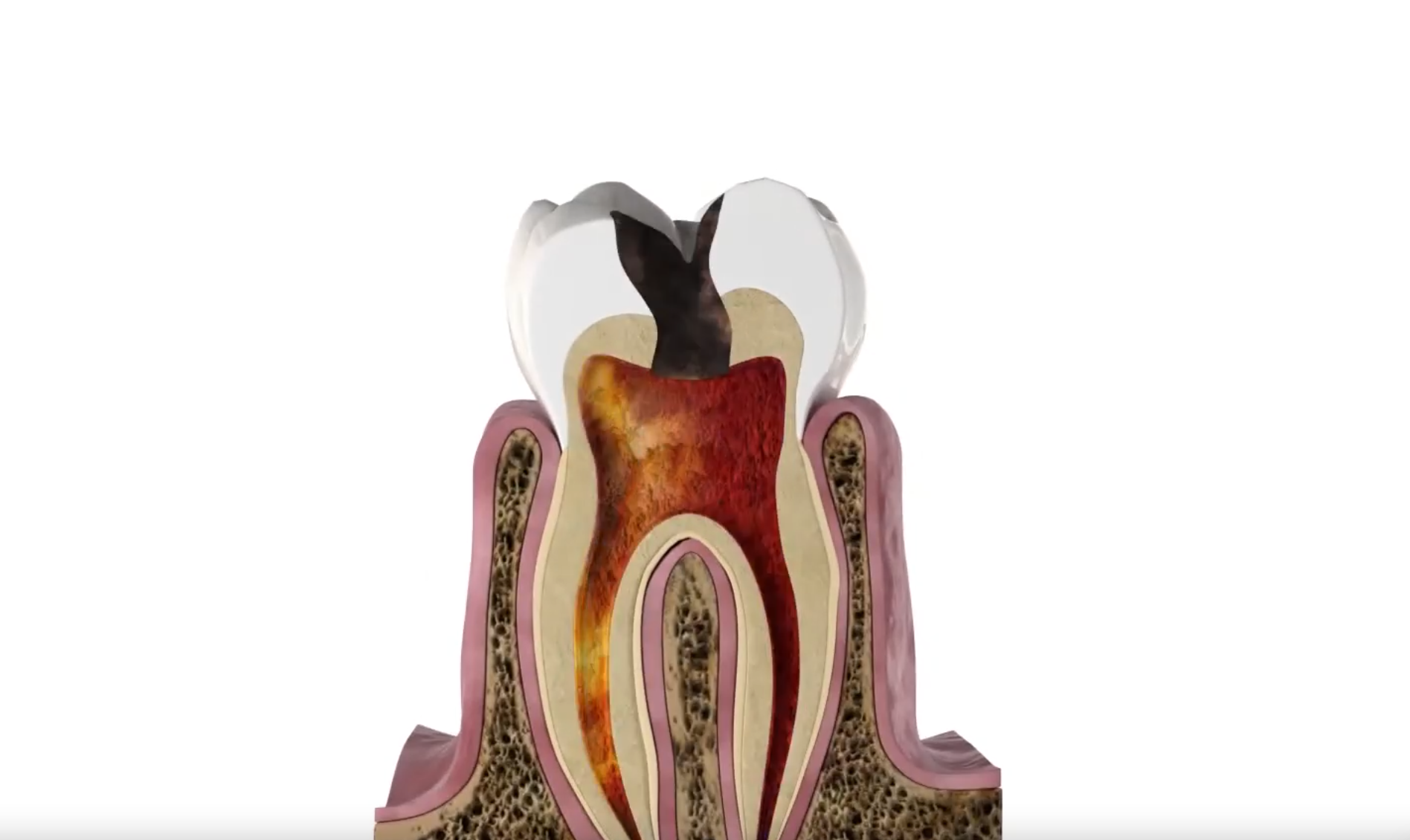
Fotona’s SSP and SWEEPS laser modalities are designed to address one of the biggest limitations of traditional chemo mechanical root canal treatment, which is the challenge of fully cleaning, debriding, and disinfecting anatomically complex canal systems.

Instead of depending only on conventional instrumentation, this approach uses Er:YAG laser energy to create powerful photoacoustic effects within the irrigating solutions placed in the tooth. That energy helps move fluid more effectively through the canal system so more difficult to reach spaces can be cleaned with greater efficiency.

Fotona SWEEPS static thumbnail
How the technology works
  • SSP uses super short pulse laser energy to create non thermal photoacoustic streaming inside the irrigant
  • SWEEPS builds on that process with synchronized ultra short pulse pairs that accelerate bubble collapse and increase shockwave emission
  • The laser tip is positioned in the pulp chamber instead of deep inside the canals
  • This supports broad fluid movement through the canal system, lateral anatomy, and dentinal tubules
Why it matters clinically
  • Supports cleaning and disinfection in highly complex root canal anatomy
  • Designed to improve irrigant activation without pushing the tip to the end of every canal
  • Helps reduce the limits of traditional irrigation in narrow or irregular spaces
  • Fits within an advanced level treatment plan focused on preserving the natural tooth
Our approach

Technology works best when it is used selectively and thoughtfully. Our office pairs advanced imaging, microscope guided endodontics, and modern disinfection protocols to determine when laser supported irrigation is appropriate and how it can strengthen the overall treatment strategy.

Key advantages

Because the cavitation source is placed in the pulp chamber at a safer distance from the apical terminus, the irrigation effect can extend through the full endodontic geometry without depending on the exact canal shape and without the same risk profile associated with forcing instruments deeper into the anatomy.

Who may benefit

Patients with complex anatomy, curved canals, persistent infection concerns, or cases where enhanced irrigation may support a more complete disinfection protocol may benefit from treatment planning that includes Fotona laser technology.