Special needs dentistry
A Selective Option for Patients Who Cannot Tolerate Dentistry While Awake
Some patients have physical, developmental, behavioral, or medical challenges that make traditional awake dentistry difficult or impossible. For these patients, Dr. Dreyer’s associate, Dr. Allin, provides restorative dental treatment while sedation is carefully managed by our team anesthesiologist.
Patient Centered Care
Understanding Special Needs Dentistry
When Dental Care Requires a Different Approach
Special needs dentistry focuses on helping patients whose medical, developmental, sensory, or behavioral challenges make traditional dental treatment difficult.
In many cases, patients with autism, developmental disabilities, neurological conditions, severe anxiety, or medical complexity may struggle to tolerate dental procedures in a typical awake setting.
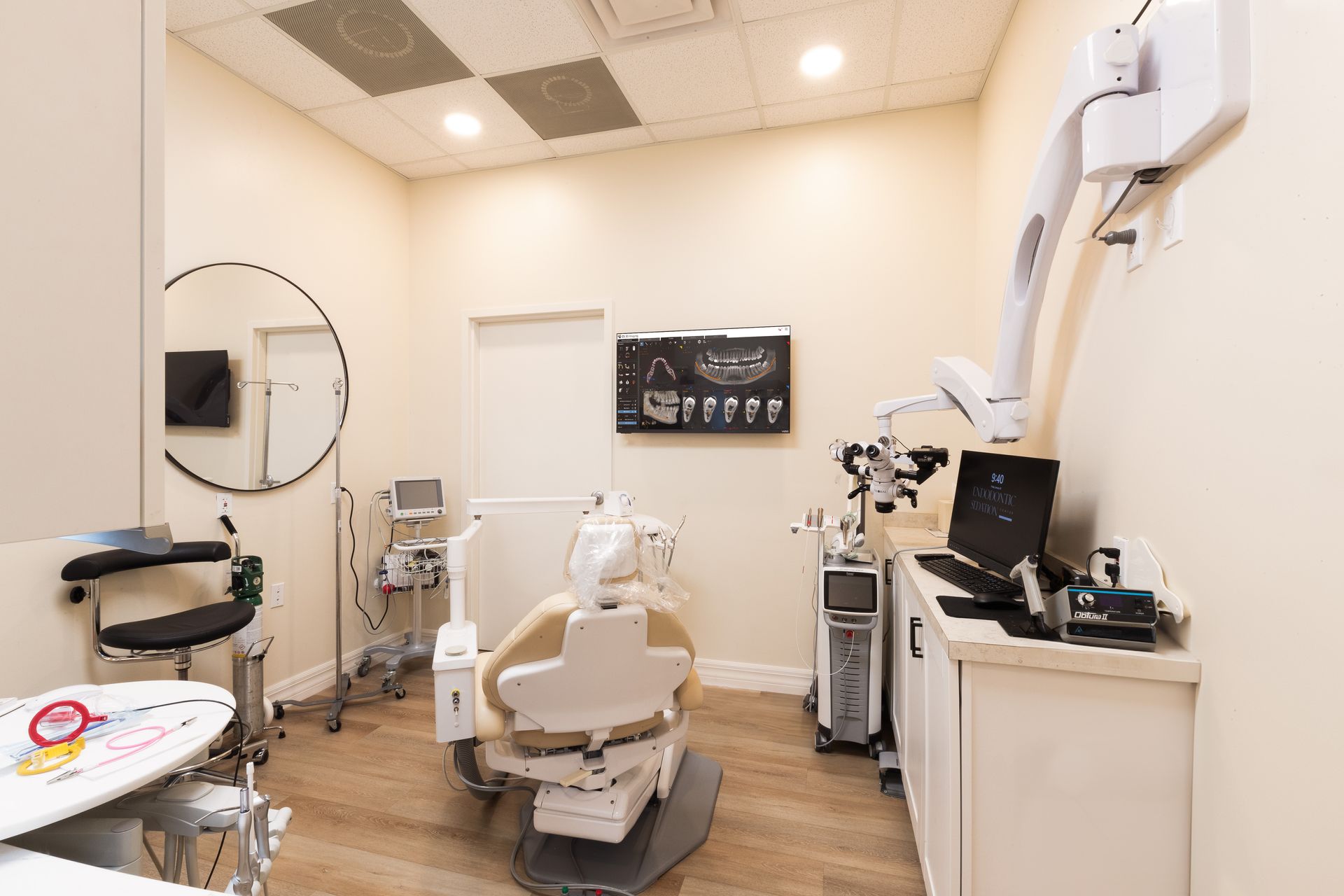
For these individuals, sedation supported dentistry can allow treatment to be completed safely and comfortably. With sedation managed by a dedicated anesthesiologist, Dr. Allin is able to restore teeth and provide necessary dental care while the patient remains relaxed and monitored throughout the procedure.
Our goal is simple: to provide access to essential dental care for patients who would otherwise struggle to receive treatment.
Patients unable to tolerate dentistry while awake due to severe dental anxiety, sensory sensitivities, or medical conditions.
Patients with developmental or neurological conditions, including autism spectrum disorder, cerebral palsy, Down syndrome, or similar challenges.
Families seeking a realistic path to dental care after struggling to complete treatment successfully in a traditional setting.
What to expect
How the special needs care pathway usually works
Initial discussion
We learn why awake treatment has not been workable and what kind of restorative care may be needed.
Selective review
We determine whether the patient fits the narrow purpose of this service and whether sedation supported care is appropriate.
Coordinated treatment
For accepted cases, Dr. Allin provides restorative dental treatment while our team anesthesiologist manages sedation support.
Why this matters for families and referring dentists
Families often do not need more encouragement to try awake dentistry again. They need an honest answer about whether a different care model is required. Referring dentists need to know there is a selective option for patients who truly cannot complete treatment in a conventional setting.
Special needs dentistry with clear boundaries
Many of our fellow citizens in the special needs community can do just fine receiving treatment while awake, and can be successfully treated by area general dentists. This page speaks to a different group of patients. It is for those whose needs make awake dentistry too difficult to complete successfully, even when families and dentists have made good faith efforts to help.
Why the practice takes a selective approach
Dr. Dreyer's practice is primarily referral based endodontics. For that reason, general restorative services are only offered in this narrow context. We will not accept patients for routine general dentistry services when they can tolerate treatment from local general dentists who are well equipped to provide that care.
Who provides the treatment
Although Dr. Dreyer is limited to endodontics, his associate, Dr. Allin, provides restorative general dentistry for qualifying special needs patients being sedated by our team anesthesiologist. That coordinated care model helps make necessary treatment more achievable for a select group of patients.
FAQ
Do you provide special needs dentistry in Winter Garden?
Yes. Our office serves patients from Winter Garden and throughout Central Florida who require a focused approach to dental care. While many individuals in the special needs community can successfully receive treatment while awake from a general dentist, our practice provides a selective option for patients who cannot tolerate dentistry in a traditional setting.
Can patients with autism receive dental care with sedation?
Yes. For some patients with autism spectrum disorder, sensory sensitivities or anxiety can make dental treatment very difficult while awake. Sedation supported dentistry can allow necessary dental procedures to be completed in a calm, controlled environment while the patient is carefully monitored by an anesthesiologist.
What is sedation dentistry for special needs patients?
Sedation dentistry is a treatment approach that allows dental procedures to be completed while the patient is deeply relaxed or asleep. This can help patients with developmental, behavioral, or medical challenges receive necessary dental care safely and comfortably.
Who provides the dental treatment during sedation?
During sedation supported care, restorative dental treatment is performed by Dr. Allin, a general dentist working alongside Dr. Dreyer. Sedation is managed by our team anesthesiologist, allowing treatment to be completed in a carefully monitored setting.
Is sedation dentistry available for patients across Central Florida?
Yes. Our office serves patients and referrals from Winter Garden and across the Central Florida region who require sedation supported dentistry because they cannot tolerate dental treatment while awake.
How do I know if sedation dentistry is the right option?
Sedation dentistry is typically considered when a patient cannot safely or successfully complete dental treatment while awake due to medical, behavioral, or sensory challenges. If a patient can tolerate traditional dental care, we encourage treatment with one of the many excellent general dentists in the community.
Need to discuss whether this pathway fits?
We can help families and referring offices understand whether this selective restorative service may be appropriate for a patient who cannot tolerate dentistry while awake.

