


A root canal is often the best way to save a severely damaged or infected tooth while eliminating pain. So, if you've already had the procedure, you may be wondering: Why does my tooth still hurt? The good news is that some discomfort after a root canal is completely normal. However, persistent or severe pain could indicate an underlying issue that needs professional attention. Understanding the difference can help you know when it's time to contact your dentist. Is Pain Normal After a Root Canal? Yes—to a point. It's common to experience mild soreness or sensitivity for a few days after treatment. During a root canal, your dentist removes infected pulp from inside the tooth, cleans the canals, and seals them. Although the infected tissue is gone, the surrounding ligaments and tissues may still be inflamed from the infection or the procedure itself. Most patients notice their discomfort gradually improves within a few days to a week and can usually manage it with over-the-counter pain relievers as recommended by their dentist. Reasons You May Still Have Tooth Pain If your pain continues beyond the normal healing period or becomes worse, several factors could be responsible. Normal Healing and Inflammation Even after successful treatment, the tissues around the tooth need time to recover. You may notice sensitivity when biting or chewing while the area heals. Infection That Hasn't Fully Resolved In some cases, bacteria may remain inside a tiny canal or around the root tip, allowing the infection to persist. Additional treatment or a repeat root canal may be necessary to fully eliminate the infection. A Missed Canal Some teeth have complex root canal systems with extra or unusually shaped canals. If one canal wasn't identified during the initial procedure, bacteria can remain inside and continue causing pain. A Cracked Tooth A crack that extends below the gum line may not always be visible during treatment. Even after a root canal, the crack can allow bacteria to enter the tooth or create discomfort when chewing. Problems with the Dental Crown or Filling If your permanent crown or filling is too high or doesn't fit properly, it can place excessive pressure on the treated tooth, leading to pain when biting. Fortunately, this can often be corrected with a simple adjustment. New Decay or Damage A root canal-treated tooth is still susceptible to cavities, fractures, and gum disease. New problems affecting the tooth can develop months or even years after treatment. When Should You Call Your Dentist? Contact your dentist if you experience: Pain that lasts longer than one week without improving Severe or throbbing pain Swelling in your gums or face A pimple-like bump on the gums Pain that gets worse instead of better Difficulty biting or chewing Fever or signs of infection These symptoms may indicate that additional treatment is needed to protect your tooth and your overall oral health. How Is Persistent Pain Treated? Your dentist will examine the tooth and may take digital X-rays or 3D imaging to determine the cause of your discomfort. Depending on the diagnosis, treatment may include: Adjusting your bite or crown Prescribing antibiotics if an infection is present Performing a root canal retreatment Recommending an apicoectomy (removing the infected root tip) Extracting the tooth if it cannot be saved The earlier the problem is diagnosed, the better the chances of preserving your natural tooth. Can You Prevent Future Problems? While not every complication is preventable, you can reduce your risk by: Attending all follow-up appointments Getting your permanent crown placed promptly Practicing excellent oral hygiene Avoiding chewing hard foods until your tooth is fully restored Scheduling routine dental checkups and cleanings Don't Ignore Persistent Tooth Pain A root canal is highly successful and allows millions of people to keep their natural teeth for many years. While mild discomfort during healing is expected, ongoing pain should never be ignored. If you're still experiencing tooth pain after a root canal, schedule an evaluation with Dr. Mark Dreyer . Identifying the cause early can help prevent further complications and restore your comfort as quickly as possible. Call us at 407-395-3885 where you can receive patient-focused endodontic care designed around diagnosis, precision, and honest treatment planning!
Dental care is an essential part of maintaining overall health, but for some individuals, receiving routine dental treatment can be challenging. Special needs dentistry focuses on providing compassionate, customized care for patients whose medical, developmental, sensory, or behavioral conditions make traditional dental treatment difficult. These patients often require specialized approaches to ensure they receive the oral healthcare they need in a safe, comfortable, and supportive environment. What Is Special Needs Dentistry? Special needs dentistry is serving individuals with unique healthcare requirements that may impact their ability to tolerate dental treatment. This includes patients with: Autism spectrum disorder Developmental disabilities Neurological conditions Cognitive impairments Physical disabilities Severe dental anxiety or phobias Complex medical conditions Each patient presents a unique set of needs, requiring dental professionals to adapt treatment techniques, communication methods, and care environments accordingly. Why Traditional Dental Visits Can Be Difficult For many patients with special needs, a typical dental setting can be overwhelming. Bright lights, unfamiliar sounds, strong smells, and the need to remain still for extended periods may trigger anxiety, sensory overload, or behavioral challenges. In some cases, patients may be unable to understand instructions, tolerate dental instruments, or cooperate during necessary procedures. As a result, even routine treatments such as cleanings, fillings, or extractions can become extremely difficult to complete while the patient is fully awake. The Role of Sedation-Supported Dentistry Sedation-supported dentistry offers a valuable solution for patients who cannot comfortably receive treatment in a traditional setting. By using sedation techniques tailored to the patient's needs, dental teams can create a safer and less stressful treatment experience. Sedation may help patients: Remain calm and relaxed during treatment Reduce fear and anxiety Minimize sensory discomfort Improve cooperation during procedures Receive comprehensive treatment in fewer appointments Avoid the emotional distress often associated with difficult dental visits For select patients and procedures, a dentist anesthesiologist may provide deeper sedation. This option can benefit patients with significant anxiety, heightened treatment sensitivity, medical complexities, or longer appointments that require additional comfort support. At Dr. Mark Dreyer, DMD, PA the sedation is provided by board eligible dental anesthesologist, Dr. Khetan. Dental anesthesiology is a recognized specialty, and deep sedation is part of the established continuum of anesthesia care. Sedation planning involves more than helping patients relax—it includes careful assessment, monitoring, and matching the level of sedation to each patient’s needs and treatment requirements. For many families and caregivers, sedation-supported care provides peace of mind, knowing their loved one can receive necessary dental treatment without unnecessary trauma or discomfort. Benefits for Patients and Caregivers One of the greatest advantages of sedation-supported dentistry is improved access to care. Patients who may have previously delayed or avoided treatment can often receive the services they need to maintain healthy teeth and gums. Benefits include: Enhanced patient comfort Improved treatment efficiency Reduced stress for caregivers and family members Better long-term oral health outcomes A more positive dental experience overall By addressing barriers to care, sedation-supported dentistry helps ensure that patients with special needs receive the same quality of treatment as any other patient. A Patient-Centered Approach Successful special needs dentistry goes beyond sedation alone. It requires a patient-centered approach that considers each individual's medical history, behavioral needs, communication preferences, and comfort level. Dental teams work closely with patients, caregivers, physicians, and specialists to develop personalized treatment plans that prioritize safety and dignity throughout every stage of care. Creating Better Access to Dental Care Every patient deserves access to quality dental treatment, regardless of their challenges or limitations. Special needs dentistry, combined with sedation-supported care, makes it possible for many individuals to receive necessary treatment safely and comfortably when traditional approaches are not sufficient. By providing compassionate, individualized care, dental professionals can help patients achieve better oral health while reducing fear, stress, and barriers to treatment. For individuals with autism, developmental disabilities, medical complexity, or severe anxiety, sedation-supported dentistry can be a life-changing pathway to maintaining a healthy smile. At Dr. Mark Dreyer, DMD, PA even though Dr. Dreyer focuses exclusively on endodontic care, Dr. Allin and Dr. Narvaez provide restorative dental care for qualifying special needs patients under sedation. This coordinated approach helps make treatment safer, more comfortable, and more accessible. So, call us at (407) 395 3885 and schedule your consultation today! Here patients feel seen, heard, and cared for while treatment is delivered with a high level of precision.
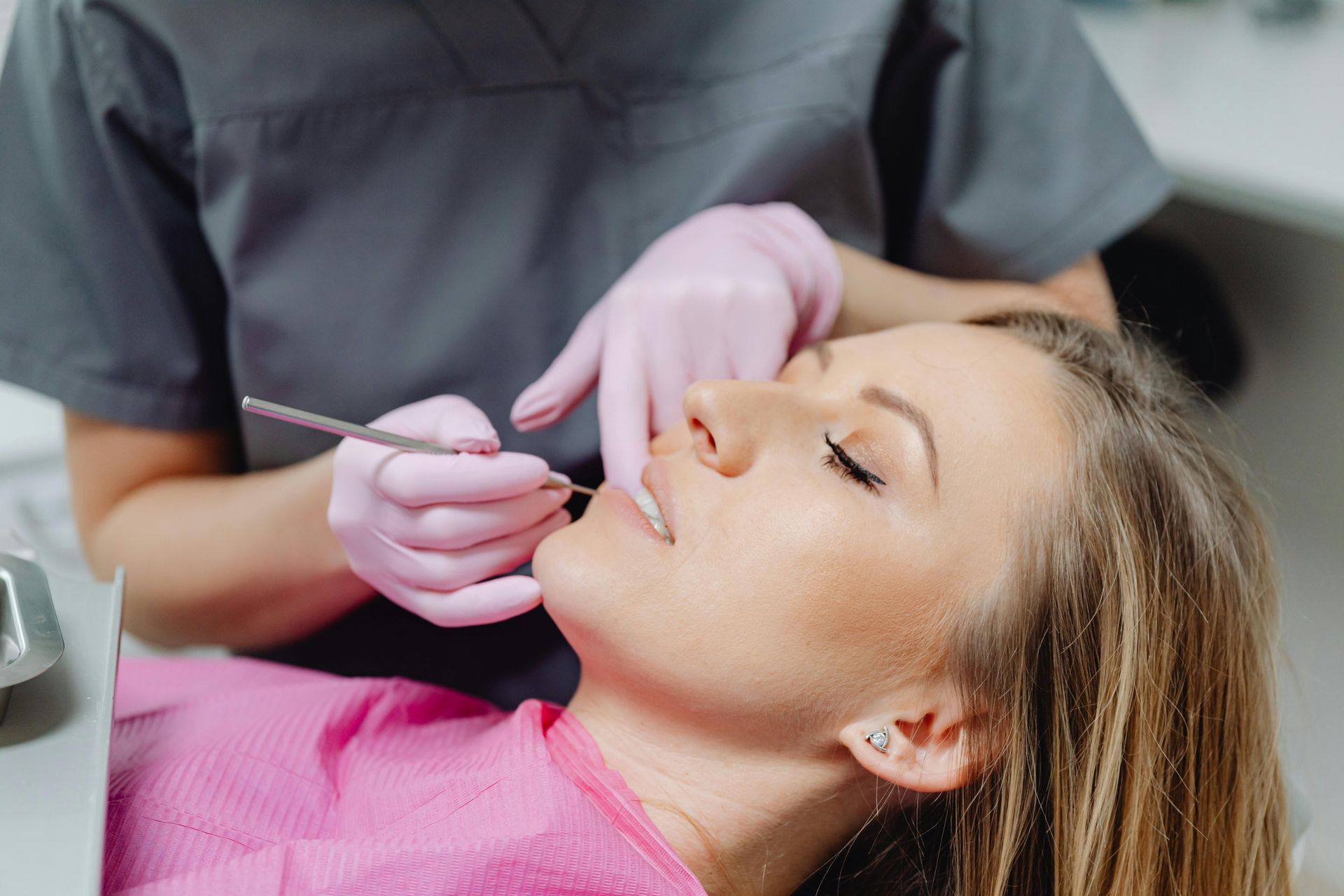
For high-performing business professionals in Winter Garden, time and efficiency are critical assets. However, dental anxiety or the physical discomfort of lengthy procedures can often lead to "appointment procrastination." When oral health is sidelined due to stress, it eventually compromises both systemic health and professional confidence. At Dr. Mark Dreyer DMD, PA, we recognize that dental care should not be a source of physiological or psychological strain. Modern sedation dentistry in Winter Garden has evolved into a sophisticated spectrum of options designed to align with your specific procedure, medical history, and personal comfort level. Understanding the distinctions between mild, moderate, and deep sedation is the first step in reclaiming control over your dental health. This guide provides an executive overview of the three primary sedation tiers available to our patients. 1. Nitrous Oxide: "Taking the Edge Off" with Precision Control Often referred to as "laughing gas," nitrous oxide is the most common form of mild sedation. It is ideal for professionals who need to return to the office or a board meeting immediately following their appointment, as it offers the unique benefit of rapid recovery. How It Functions Nitrous oxide is an inorganic gas that is inhaled through a small mask over the nose. It works by slowing down the nervous system’s reaction time, resulting in a feeling of calm and slight euphoria. Because the dosage is regulated in real-time by Dr. Dreyer, the level of relaxation can be adjusted instantly throughout the procedure. Why Business Professionals Choose It Zero Downtime: Unlike other methods, the effects of nitrous oxide dissipate within minutes of removing the mask. You are legally and physically cleared to drive yourself home or back to the office. Effective for "Quick Hits": It is the perfect solution for routine cleanings or minor fillings for patients who experience mild "white coat" hypertension or anxiety. Safety Profile: It is considered one of the safest forms of sedation in clinical practice, with minimal contraindications. 2. Oral Conscious Sedation: Moderate Relaxation for Complex Care When a procedure requires a more significant time investment—such as a multi-unit bridge or extensive restorative work—oral conscious sedation provides a deeper level of relaxation without the need for needles. The Mechanism of Action This tier involves a prescribed sedative, typically from the benzodiazepine family, taken approximately one hour before your appointment. By the time you arrive at our Winter Garden clinic, you will feel profoundly relaxed. While you remain technically conscious and able to respond to verbal cues, you will likely experience a "dimming" of the sensory environment. The Comparison: IV Sedation vs. Oral Sedation When evaluating IV sedation vs. oral sedation, the primary difference lies in the onset and "titratability." Oral sedation relies on your digestive system to process the medication, meaning it takes longer to take effect and cannot be adjusted as quickly as an intravenous line. However, for patients with a phobia of needles or those who prefer a non-invasive administration, oral sedation is the gold standard for moderate anxiety management. Recovery Considerations Because the sedative remains in your system for several hours, you will require a designated driver to transport you to and from the office. This is a "half-day" commitment that allows your body to fully process the medication in a low-stress environment. 3. IV Sedation: The Gold Standard for "Sleep Dentistry" For patients requiring invasive surgery or those with severe dental phobia, Intravenous (IV) Sedation offers the highest level of control and comfort. This is often what patients refer to when they request sleep dentistry for root canals or complex extractions. Clinical Superiority IV sedation allows Dr. Dreyer to administer sedative medication directly into the bloodstream. This provides an instantaneous effect. More importantly, it allows for "titration"—the ability to adjust the level of sedation minute-by-minute to ensure you remain in a perfectly maintained state of relaxation. The Experience of "Sleep Dentistry" While IV sedation is technically "twilight sleep" (where you maintain your own protective reflexes), most patients have no memory of the procedure whatsoever. The amnesic effect of the medication ensures that the sounds, smells, and sensations of the dental environment are completely bypassed. This makes sleep dentistry for root canals an excellent option for patients who want to "wake up" with their treatment finalized and no traumatic recollection of the process. Benefits for Major Restorative Work Time Compression: Dr. Dreyer can often complete multiple procedures in a single session because the patient is perfectly still and comfortable. Reduced Reflexes: It suppresses the gag reflex and prevents jaw fatigue during longer appointments. Predictability: It is the most reliable method for ensuring a patient remains comfortable throughout the entirety of a complex surgical plan. Strategic Takeaways for the Informed Patient Selecting the right sedation level is a collaborative decision based on three factors: your anxiety level, the complexity of the clinical work, and your medical history. For Routine Maintenance: Nitrous oxide is usually sufficient to manage minor nerves while maintaining a full professional schedule. For Mid-Range Procedures: Oral conscious sedation offers a needle-free path to deep relaxation for crowns, deep cleanings, or fillings. For Surgical or High-Anxiety Cases: IV sedation provides the most controlled, amnesic, and efficient experience, particularly for oral surgery or rehabilitative dentistry. Professional Consultation: Aligning Your Comfort with Your Health At the practice of Dr. Mark Dreyer DMD, PA, we believe that clinical excellence is inseparable from patient comfort. We adhere to the highest safety standards to ensure your sedation experience is as secure as it is effective. Maintaining your oral health is a vital component of your overall professional presentation and systemic wellness. Do not let dental anxiety or the prospect of a complex procedure prevent you from achieving the smile you deserve. Ready to discuss your options for sedation dentistry in Winter Garden? Contact our office today at (407) 395-3885 to schedule a consultation with Dr. Mark Dreyer. We will review your medical history and treatment goals to determine which sedation tier will provide the most efficient and comfortable path to your optimal dental health!